Introduction: The Evolving Landscape of Digital Wealth
The rollercoaster of cryptocurrency, from the dizzying heights of 2021 to the sobering “crypto winter” that followed, has left many investors wondering: what’s next? As we look toward crypto investing in 2026, the narrative is maturing from speculative frenzy to foundational integration. The market is no longer just about Bitcoin and memecoins; it’s about blockchain technology becoming woven into the fabric of finance, governance, and digital identity. This article provides a forward-looking, strategic roadmap for navigating the cryptocurrency market in 2026, focusing on actionable trends, prudent portfolio strategies, and risk management essential for both new and seasoned investors seeking to capitalize on this next phase of digital asset evolution.
Section 1: The Megatrends Shaping Crypto in 2026
The crypto landscape of 2026 will be defined by several key, interconnected developments that move beyond pure price speculation.
1. Institutional Adoption Goes Mainstream: The tentative entries of 2021-2024 have solidified. Expect major pension funds, insurance companies, and globally recognized corporations to hold crypto as a standard part of treasury reserve assets. This influx of “smart money” provides stability, reduces volatility, and validates the asset class for a broader audience, directly impacting crypto investment strategies.
2. Regulatory Clarity Emerges (Globally): The regulatory fog is lifting. By 2026, major economic blocs like the U.S., EU, and UK will have established clearer frameworks for digital assets. This means defined rules for taxation, custody, and securities law. While this may limit some wild-west aspects, it reduces systemic risk, protects consumers, and paves the way for safer, more accessible crypto investment platforms like ETFs and retirement account integrations.
3. DeFi 2.0 and the Rise of Real-World Assets (RWAs): Decentralized Finance (DeFi) evolves from offering unsustainable yield farms to facilitating the tokenization of real-world assets. Imagine investing in fractions of commercial real estate in Tokyo, U.S. Treasury bonds, or rare art—all on a blockchain with 24/7 liquidity. This RWA tokenization bridges traditional finance (TradFi) and crypto, unlocking trillions in value and creating new, income-generating crypto assets.
4. AI and Blockchain Convergence: Artificial Intelligence will deeply integrate with crypto. We’ll see AI-powered decentralized autonomous organizations (DAOs) making governance decisions, predictive analytics tools for portfolio management, and AI agents autonomously executing micro-transactions in the Internet of Things (IoT) economy. Investing in projects at this AI-blockchain intersection could be a high-growth frontier.
5. The User Experience Revolution: Mass adoption hinges on simplicity. By 2026, blockchain interactions will be nearly invisible to the end-user. Seed phrases will be replaced by secure, user-friendly recovery methods. Buying, swapping, and using crypto will be as seamless as online banking is today, lowering the barrier to entry for millions.
Section 2: Strategic Investment Frameworks for 2026
Given these trends, a one-size-fits-all approach is obsolete. Here’s how to structure your digital asset portfolio strategy for 2026.
The Core-Satellite Approach for a Balanced Crypto Portfolio:
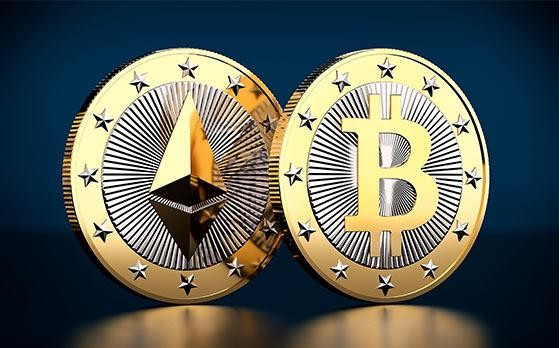
- Core (50-60%): This is your foundation of resilience. Allocate the majority here to established, high-market-cap assets with proven networks and clear utility. Bitcoin (BTC) remains “digital gold”—a store of value hedge. Ethereum (ETH) is the foundational layer for the majority of DeFi, NFTs, and dApps. Consider other established “layer 1” or “layer 2” protocols with strong developer activity.
- Satellite (30-40%): This is your growth engine for high-potential crypto projects. Target areas aligned with 2026 megatrends:
- RWA Protocols: Platforms leading in asset tokenization.
- DeFi 3.0: Next-generation lending, borrowing, and insurance protocols with enhanced security and scalability.
- AI-Driven dApps: Projects leveraging AI for data markets, computation, or creative economies.
- Exploratory (5-10%): A small allocation for high-risk, high-reward opportunities. This could include nascent layer 1 solutions, thematic plays (like gaming or green crypto), or carefully selected early-stage projects. Never invest more than you can afford to lose entirely here.
Dollar-Cost Averaging (DCA) is Your Best Friend: Regardless of the strategy, DCA into cryptocurrency remains the most psychologically and financially sound tactic. By investing a fixed amount at regular intervals (e.g., weekly or monthly), you smooth out volatility, avoid the pitfalls of emotional trading, and build a position over time. This is non-negotiable for long-term crypto wealth building.
Section 3: Navigating Risks and Securing Your Assets
The promise of 2026 comes with persistent risks. Prudent management is the key to sustainability.
1. Technological & Smart Contract Risk: Even advanced protocols can have vulnerabilities. Diversify across different blockchains and projects. Always audit (or follow trusted auditors who audit) the smart contracts of DeFi protocols you use.
2. Regulatory Risk: Stay informed. The regulatory landscape will vary by country. Favor projects and platforms that proactively engage with regulators and demonstrate compliance.
3. Custody is King: The mantra “not your keys, not your crypto” remains vital. For substantial holdings, use a reputable hardware wallet (cold storage). For active trading, use regulated, insured custodial exchanges with strong security histories. Secure crypto storage in 2026 will involve multi-party computation (MPC) wallets and institutional-grade custody solutions becoming more accessible to retail.
Conclusion: Building Disciplined Digital Prosperity
Crypto investing in 2026 represents a shift from speculation to participation in a digitizing global economy. The extreme volatility of the past will likely moderate as institutional capital and clear regulations provide a firmer floor. Success will not come from chasing overnight moonshots but from identifying foundational trends, executing a disciplined DCA strategy, and rigorously managing security and risk.
The investors who will thrive are those who educate themselves continuously, adopt a long-term mindset, and understand that blockchain technology is more than an asset class—it’s the protocol for a new era of value exchange. By aligning your portfolio with the infrastructural pillars of the future, you position yourself not just as a crypto investor, but as a stakeholder in the next evolution of the internet itself.
FAQ: Crypto Investing in 2026
Q: Is it too late to start investing in crypto in 2026?
A: Absolutely not. With clearer regulations, better technology, and more tangible use-cases like RWA, 2026 may be a more stable and informed starting point than previous cycles. The key is to start with education and a disciplined, long-term strategy.
Q: What will be the top cryptocurrency to buy in 2026 for growth?
A: While predictions are speculative, growth will likely be found in sectors solving real problems: platforms enabling Real-World Asset (RWA) tokenization, scalable Layer 2 solutions for Ethereum, and projects at the convergence of AI and blockchain.
Q: How much of my portfolio should be in crypto by 2026?
A: This is personal and depends on your risk tolerance, age, and financial goals. A common guideline from financial advisors is a single-digit percentage (e.g., 1-5%) of your total net worth for most retail investors, allowing for growth without catastrophic risk.
Q: Will Bitcoin still be dominant in 2026?
A: Bitcoin’s role as a decentralized store of value and macroeconomic hedge is likely to solidify, especially with ETF adoption. Its market dominance may fluctuate, but it is expected to remain the largest and most influential crypto asset.
You can calculate your investing on our site by this calculator.